
Why Tankless Water Heaters Sometimes Stop Producing Hot Water
If your tankless water heater stops producing hot water, local service providers can diagnose common issues like mineral buildup or faulty components and perform effective repairs.
Many property owners in the area rely on tankless water heaters for on-demand hot water, making it frustrating when these systems suddenly stop producing the warmth needed. Understanding why tankless water heaters sometimes stop producing hot water can help homeowners identify common issues and prevent unexpected cold showers. Factors such as mineral buildup, thermostat malfunctions, or flow rate problems are typical reasons that may cause a tankless system to temporarily or permanently lose its hot water supply. Exploring these practical causes can empower property owners to recognize early warning signs and seek timely assistance from local contractors experienced in tankless water heater repair.
For those experiencing issues with their tankless water heater, connecting with local service providers can be an effective way to restore proper function. These professionals are equipped to diagnose the root causes behind interruptions in hot water production and perform necessary repairs. Whether it’s addressing mineral buildup, fixing faulty components, or adjusting flow settings, local contractors offer solutions tailored to the specific needs of the system. Keeping informed about why tankless water heaters sometimes stop producing hot water helps property owners make confident decisions when seeking expert help to keep their hot water flowing reliably.
- Tankless Water Heater Repair - homeowners experiencing inconsistent hot water may need this service, which local contractors approach by inspecting for mineral buildup and system malfunctions.
- Tankless Water Heater Repair - when a tankless unit stops producing hot water unexpectedly, local pros typically diagnose issues related to flow rate or sensor problems.
- Tankless Water Heater Repair - if the unit shows error codes or fails to activate, local service providers can identify and fix electrical or control board issues.
- Tankless Water Heater Repair - in cases of fluctuating water temperature, local contractors often check for sediment buildup or component failures that hinder performance.
- Tankless Water Heater Repair - when mineral deposits cause blockages, local pros can perform flushing or descaling to restore hot water production.
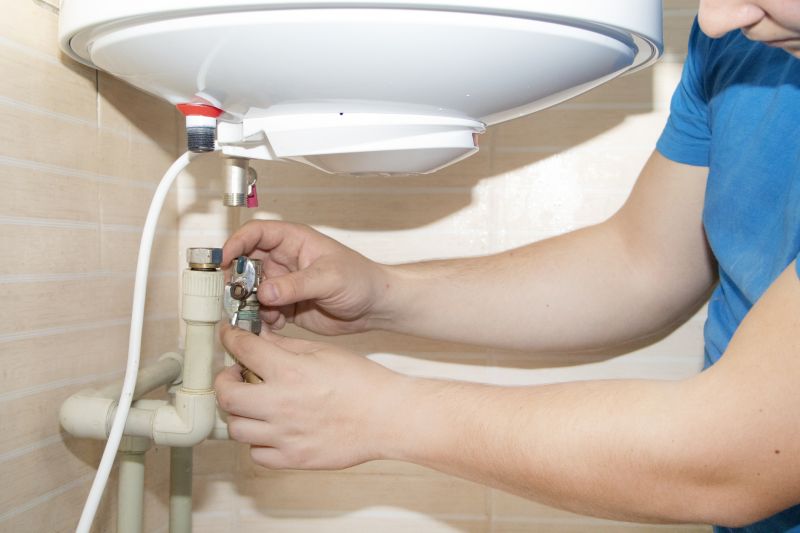
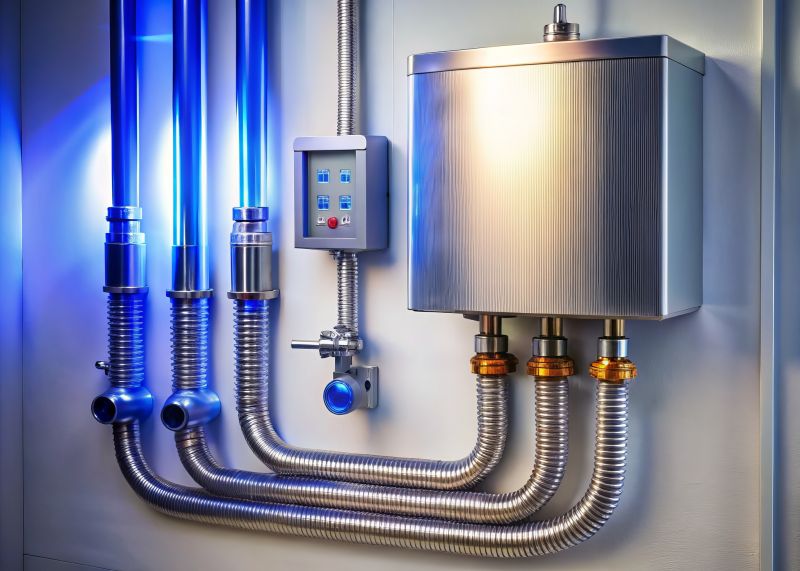
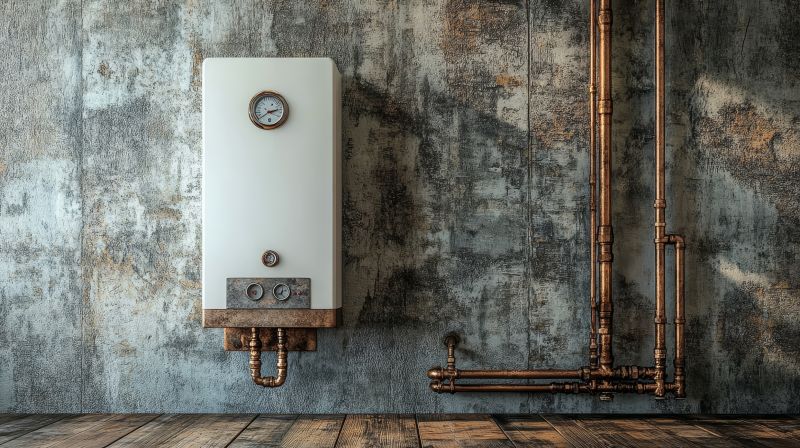
When people search for why tankless water heaters sometimes stop producing hot water, they are often experiencing a sudden loss of hot water supply or inconsistent performance. This issue can be frustrating, especially for households that rely on a steady flow of hot water for daily activities like showers, laundry, and dishwashing. Homeowners typically want to understand the common causes behind these problems so they can decide whether a repair or replacement is needed. Recognizing that tankless water heaters are designed to provide on-demand hot water, they may be surprised when the system suddenly stops functioning properly, prompting a search for solutions and local service providers who can diagnose and fix the issue efficiently.
The problems related to a tankless water heater stopping hot water production often involve issues like mineral buildup, flow rate restrictions, or component failures. For example, hard water deposits can accumulate inside the unit, reducing efficiency and causing it to shut down or limit hot water output. Similarly, if the flow rate falls below the unit’s minimum requirement, the heater may not activate or deliver hot water properly. Other common causes include faulty thermostats, clogged filters, or electrical problems that interfere with the system’s operation. These issues are often encountered in properties where the heater is used frequently or in areas with hard water, making it essential for homeowners to understand how these factors can impact performance and how local contractors can provide targeted repairs.
Properties that typically experience these problems include both residential homes and small commercial buildings. Single-family homes with older plumbing or hard water supplies are especially prone to mineral buildup and flow restrictions. Larger households with high hot water demand may also encounter issues if the heater cannot keep pace with simultaneous usage. In addition, properties with outdated or improperly sized units might face operational challenges that cause hot water shortages. Understanding the type of property helps homeowners determine whether their system is likely to face these issues and highlights the importance of consulting local pros who are familiar with the specific needs of different property types and can recommend appropriate repairs or upgrades.
When a tankless water heater stops producing hot water, it often signals underlying problems that require professional diagnosis and repair. Local service providers who specialize in tankless water heater repair can assess the system’s components, identify the root causes-such as mineral buildup, flow restrictions, or electrical issues-and perform the necessary repairs. These pros can also advise on maintenance practices to prevent future problems, like flushing out mineral deposits or upgrading to a unit better suited for the property’s water quality and usage patterns. Connecting with experienced local contractors ensures that homeowners receive practical, effective solutions to restore hot water flow and maintain the system’s efficiency over time.
Plumbing diagnostics - diagnosing issues with hot water systems involves skills similar to troubleshooting tankless water heater problems, requiring knowledge of water flow and system components.
Water heater installation - installing various types of water heating systems shares planning and technical skills relevant to addressing why tankless water heaters sometimes stop producing hot water.
Pipe repair and replacement - repairing or replacing damaged or clogged pipes is related to resolving flow restrictions that can cause tankless water heater failures.
Water pressure optimization - adjusting water pressure levels involves understanding system dynamics similar to managing flow issues in tankless water heaters.
Sediment and mineral buildup removal - clearing mineral deposits from plumbing components aligns with maintenance tasks that help prevent hot water production issues in tankless systems.
Temperature control system servicing - servicing thermostats and control panels shares skills with troubleshooting electronic components in tankless water heaters to restore hot water flow.
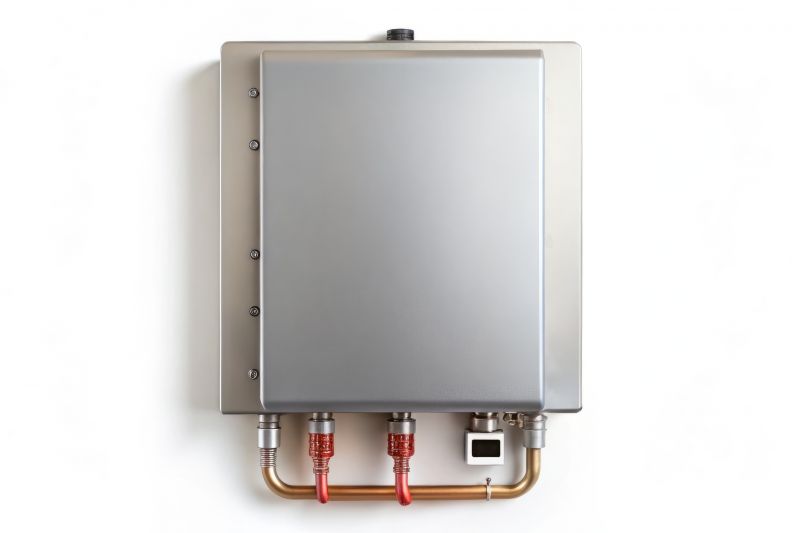
When evaluating service providers for tankless water heater repair, it is important to consider their experience with similar projects. Homeowners should inquire about how many repairs they have performed related to why tankless water heaters sometimes stop producing hot water, as well as their familiarity with different brands and models. A contractor with a solid track record in addressing these specific issues is more likely to understand the common causes and effective solutions, reducing the risk of misdiagnosis or incomplete repairs.
Clear written expectations are essential when comparing local contractors. Homeowners should seek detailed explanations of the repair process, including what parts might need replacement, the steps involved, and any potential challenges. This transparency helps ensure that both parties share an understanding of the scope of work, preventing surprises or misunderstandings. Service providers who can articulate their approach in straightforward terms demonstrate professionalism and a commitment to clear communication.
Reputable references and good communication are key indicators of a reliable repair service. Homeowners are encouraged to ask for references or reviews from previous clients who experienced similar issues. This feedback can provide insight into the contractor’s ability to deliver quality work and maintain open lines of communication throughout the project. A service provider who listens attentively, responds promptly to questions, and keeps homeowners informed is more likely to provide a smooth and satisfactory repair experience when dealing with why tankless water heaters sometimes stop producing hot water.
Property owners often search for why tankless water heaters sometimes stop producing hot water when they are planning practical projects around their homes and businesses. Local pros provide Tankless Water Heater Repair services for everyday jobs and straightforward project options.
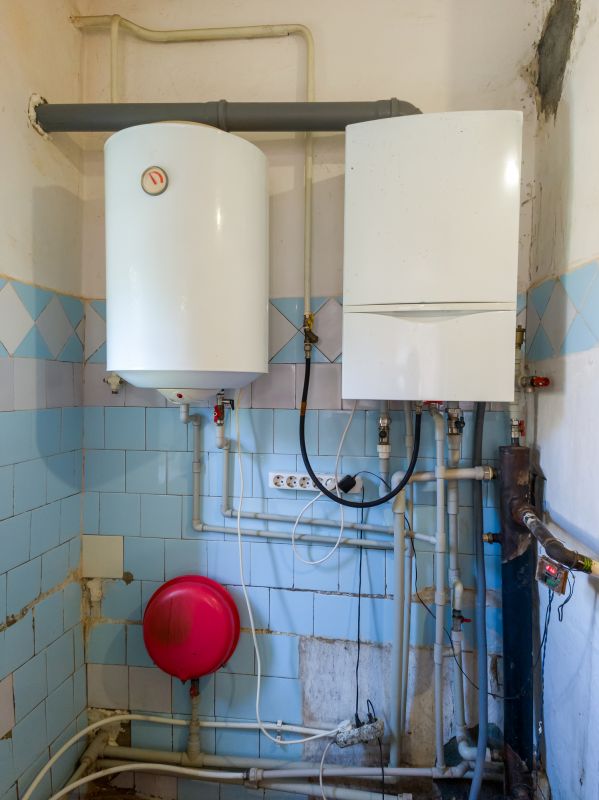
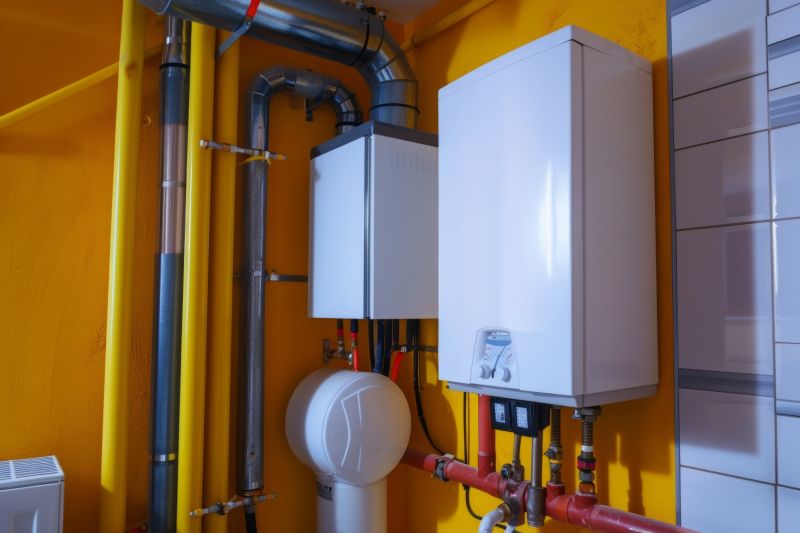
Tankless water heaters are known for providing on-demand hot water efficiently, but they can sometimes stop producing hot water unexpectedly. Common everyday reasons property owners might look into this issue include mineral buildup inside the unit, which can restrict water flow and reduce heating effectiveness. Additionally, problems with the unit’s thermostat or a sudden drop in incoming water temperature can cause the heater to shut down or fail to deliver hot water as needed. When these issues arise, local contractors experienced in tankless water heater repair can assess the situation, identify the root cause, and recommend appropriate solutions to restore reliable hot water.
Other simple reasons why a tankless water heater might stop producing hot water include issues with the unit’s flow sensors or electrical components, which can malfunction over time. Sediment accumulation or scale buildup can also impair performance, especially in areas with hard water. In such cases, professional service providers can perform maintenance or repairs to clear obstructions and ensure the system operates smoothly. Property owners facing these common problems often find that consulting local experts for tankless water heater repair helps resolve the issue efficiently and prevents future disruptions.
Why do tankless water heaters sometimes stop producing hot water? They can stop producing hot water due to mineral buildup, a faulty heating element, or flow rate issues that prevent proper operation. Local contractors can diagnose and fix these problems to restore hot water supply.
What are common reasons a tankless water heater might suddenly stop working? Common reasons include sediment accumulation, sensor malfunctions, or a clogged filter. Service providers can perform repairs to address these issues and ensure consistent hot water flow.
How can mineral buildup affect the performance of a tankless water heater? Mineral buildup can insulate heating elements and reduce efficiency, causing the unit to stop producing hot water. Local repair experts can flush out deposits and improve performance.
What should be checked if a tankless water heater is not producing hot water at all? It’s important to check for flow restrictions, sensor failures, or electrical problems. Experienced service providers can identify and resolve these issues effectively.
Can flow rate problems cause a tankless water heater to stop producing hot water? Yes, insufficient flow rate can prevent the unit from activating the heating process. Local contractors can assess and correct flow issues to restore hot water production.
Water heater sediment buildup - sediment can accumulate in the tankless water heater, causing blockages that prevent hot water flow, and local contractors can perform flushing or cleaning services.
Inconsistent water pressure - fluctuations in water pressure may lead to a lack of hot water, and service providers can assess and repair pressure regulators or valves.
Faulty heating elements or sensors - malfunctioning components can stop the heater from producing hot water, with local pros able to diagnose and replace defective parts.
Electrical or gas supply issues - interruptions in power or gas supply can cause the heater to stop functioning, and experienced contractors can identify and resolve supply problems.
If you are thinking about why tankless water heaters sometimes stop producing hot water for a property, this guide is meant to help you understand this topic, the typical project types, and how different options might fit your plans.
When you are ready, you can use the quote form on this page to share a few details about your project. From there, local pros can review the basics and follow up with options that match what you have in mind.